How Much Are Merchant Account Fees In United States
Recent studies show that most major credit card companies in America are charging excessive fees for their merchant accounts. Some of these fees are outrageous!
Many small business owners do not realize how much money these large banking institutions make off of merchants’ poor account management. It is common to pay upwards of $200 per month in additional finance charges alone due to bad customer service.
Some banks will even increase your monthly interest rate by several hundred dollars because you failed to maintain adequate balance conditions. This can be extremely costly if you need quick access to cash.
Fortunately, there are alternatives to expensive bank cards. These third-party financial services providers (FSPs) usually cost less than half as much as having a traditional VISA or Mastercard.
This article will discuss some FSPs that may work better for your business than its current provider.
Reasons why you need a merchant account

Most major credit card companies offer some type of discount or reward program through their bank branch network. This can include merchandise, gift cards or direct deposit. Some even offer free checking! If you are looking to start an online business, these programs are worth looking into.
The other thing that many people look at is whether this company offers low transaction minimums. Most large credit card companies do, but it may not be ideal if you’re buying lots of products. A lower transaction limit means you have to spend more to make up for the fee!
There are also some credit card companies that will not let you use their service unless you have a certain amount of monthly revenue. This could prevent you from getting started if you're just starting off.
Fees that are associated with a merchant account
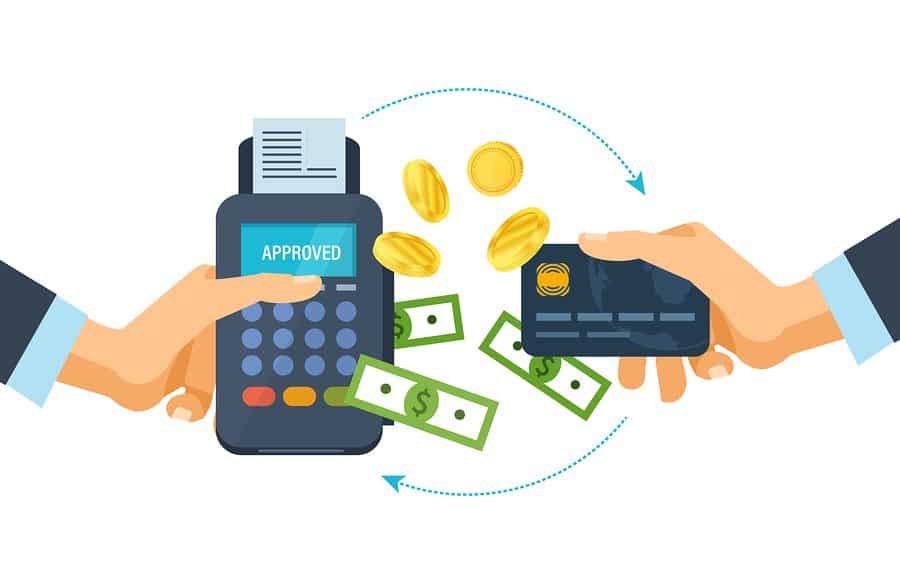
The most common type of fee is what we refer to as the Transaction Processing Fee (also known as interchange). This is the percentage that credit card companies charge other financial institutions for accepting their cards.
For example, say you owned a restaurant and wanted to accept VISA, Mastercard, and American Express as forms of payment. The restaurant would be considered an ATM, so they would have to pay a different “interchange rate” depending on which bank issued which card.
These additional fees are not only annoying but also add up quickly due to there being several banks involved. Avoid paying too much attention to how much your favorite brand costs, because some brands are more expensive than others!
There are ways to find out exactly how much each company’s individual price tag is, however. Luckily, there are many websites that compare all major international banking brands’ prices online.
Types of fees that are associated with a merchant account
Interchange is what most people refer to as “merchant discount” or “re-bate” fees. This is the fee that a bank requires its member banks to pay when they process a credit card purchase.
The amount of this fee varies slightly between different cards, and even within one card from one branch to another or one country to another.
But overall, it adds up quickly! The average cost per purchase using a credit card is about 2% – 3%. Some high-end luxury brands can add more for a single item though.
That means if you spend $1,000 at a store that uses a Visa or Mastercard, then your wallet will be £25–$33 lighter because of these fees.
Annual membership fees are also expensive, often starting around $99 a year which makes it very difficult for small businesses to use a credit card.
Important factors to consider when opening a merchant account

Most major banks have very expensive monthly fees for their banking services. These can add up quickly, especially if you are running a small business!
Many such providers will also charge yearly service contracts or large setup fees that are difficult to pass onto the consumer. This is particularly problematic since they pay these fees every year, even if the company does not offer any services for that time period.
These fees prevent businesses with limited funds from seeking financing because of the high costs. It also creates an atmosphere where only wealthy corporations can operate due to the cost of doing business.
Important tips for opening a merchant account

There is a maximum number of transactions that each company allows before they start charging fees. The amount varies by credit card type and country, so be sure to check this out before submitting too much financial information about your business.
By having transaction limits, companies can prevent fraud or theft. It also helps them determine if your business will remain profitable long-term. Most companies will let you continue doing business once you meet their limit- even if you go over by one or two transactions.
But remember, what works for one company may not work for another! Make sure to do some research and compare different providers before signing up with anyone.
Important tips on how to choose a merchant account provider
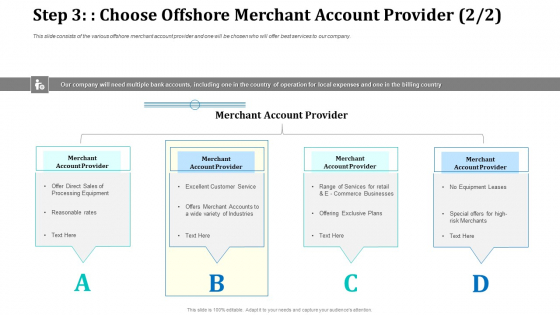
Choosing a good quality merchant bank or credit card processing company is not an easy task. There are so many out there, with different levels of service and price points!
It can become very confusing trying to find one that fits your business model and needs. Luckily for you, we have some important tips here about what to look for when choosing a new merchant account provider.
Merchants should only deal with large business credit card processors
Unfortunately, not all major processor sites offer cheap merchant account services to businesses. Some may even charge very high fees for them. This is totally unnecessary as most small businesses can operate just fine using their free accounts!
There are many reasons why expensive merchant processing services are needed. One of the biggest is that vendors need access to your credit cards to process transactions.
This is how they make money by charging merchants per transaction made with a given card. Since most big companies have this service, it is necessary to partner up with one of these providers if you want to run any sort of business that accepts payments online or through mobile devices.
The majority of people use either PayPal or Stripe for payment processing so there is already a good provider ready when you start running your business. Both of those options are completely free but some additional features cost extra.
Know your customer rule
The ‘know-your-customer’ (KYC) requirement is one of several that must be met before a new merchant account can be approved. This means proving you are who you say you are by providing government-issued photo IDs, proof of residence, and proof of income.
It’s also important to note that while most banks will ask for this information when opening an account, some require it only once every twelve months. That way, if something changes or someone gets hired or fired, they have time to update their documents.
But even after all of these requirements, there’s still one more thing merchants need to know about KYCs.
Most major credit card companies operate a policy called “maximum accounts.” This refers to the maximum amount a person may carry as debt per bank. If a potential business partner has a large debt limit, then it could be a sign that fraud is likely to occur.
Since fraudulent activity costs money, it sets a bad tone for working with the company, so many banks place limits on how much a person can spend according to what cards they hold. These spending limits are found through research and personal conversations with the individual buying supplies or running a service.
Related Post :


Comments
Post a Comment